
UNCCN Global Development | Digital Technology | Real Estate and Hospitality

 +91 8433553109

Autism can affect communication, social interaction, emotional expression, attention, and sensory processing in different ways. Every autistic person has unique strengths and support needs. Music Therapy for Autism offers a supportive approach that uses rhythm, melody, movement, and musical interaction to encourage communication, emotional expression, and social engagement.

Music creates a different way to interact without relying only on spoken words. Moreover, predictable rhythms and familiar melodies can make activities engaging and structured. When provided by a qualified professional, music therapy can become part of an individual’s wider support plan.

What Is Music Therapy for Autism?

Music Therapy for Autism is a structured approach where a qualified music therapist uses musical activities to work toward personalized goals. Sessions may include singing, playing instruments, rhythm exercises, movement, songwriting, and musical interaction.

Unlike simply listening to music, therapeutic sessions have specific objectives. For example, rhythm games can encourage turn-taking, while singing activities may support communication and vocal expression.

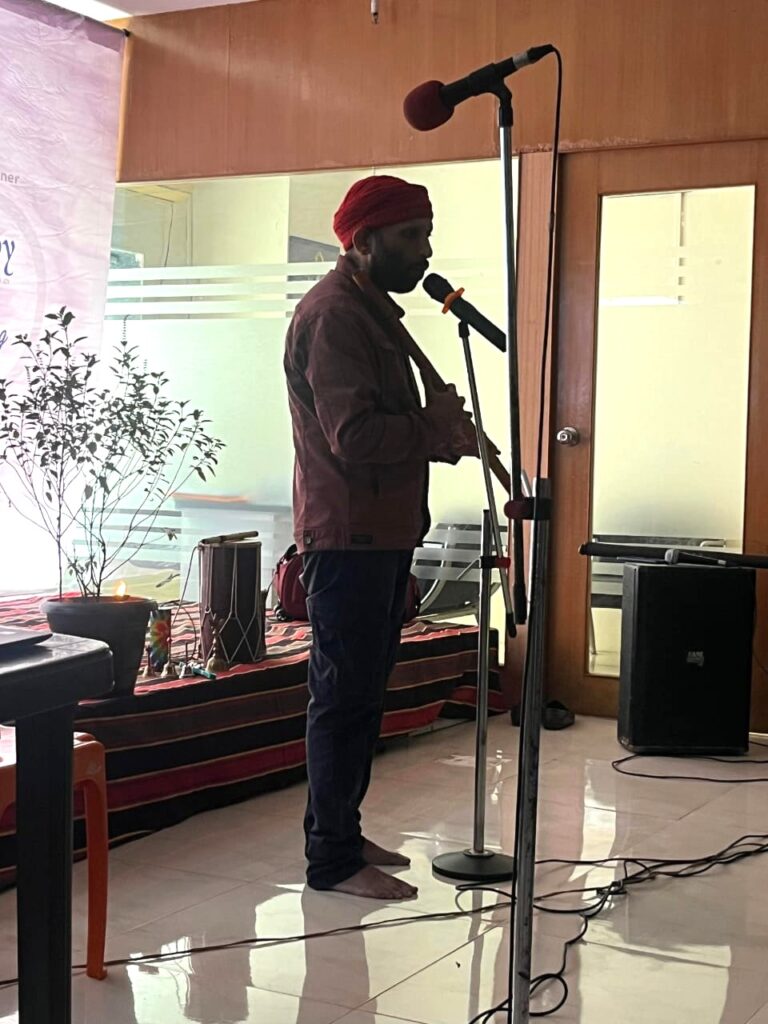
music therapy for autism

How Music Can Support Communication

Communication looks different for every autistic person. Some people use speech, while others may use gestures, visual supports, communication devices, or other methods.

Music can provide another channel for interaction. Singing, rhythmic patterns, and musical games can encourage vocalization, imitation, turn-taking, and shared attention.

For example, a therapist may pause during a familiar song and encourage a response through a sound, gesture, or preferred communication method.

Music Therapy and Social Interaction

Music provides a shared activity that can make social interaction more comfortable. Simple rhythm games can encourage listening, waiting, responding, and taking turns.

Additionally, group musical activities can create opportunities for cooperation and shared attention. The therapist can adjust activities according to the person’s comfort level and abilities.

Supporting Emotional Expression

Music can provide a creative way to express emotions. Different melodies, rhythms, and instruments may help individuals communicate feelings or preferences that are difficult to express through words.

Furthermore, personalized music activities can encourage self-expression and confidence while creating an enjoyable therapeutic environment.

Music Therapist in Dubai

Music Therapy for Focus and Attention

Rhythm and repetition can provide structure during activities. Musical cues can signal when an activity starts, changes, or ends.

For example, a therapist may use repeated rhythms during an attention activity and gradually introduce small changes. This creates an engaging way to practice listening and responding.

Sensory-Friendly Music Therapy

Some autistic individuals have unique sensory preferences. Certain sounds, volumes, or instruments may feel uncomfortable or overwhelming.

Therefore, therapists can adjust volume, instruments, session length, and the overall environment. A calm and predictable setting can help individuals participate more comfortably.

Music Therapy for Focus and Attention

Rhythm and repetition can provide structure during activities. Musical cues can signal when an activity starts, changes, or ends.

For example, a therapist may use repeated rhythms during an attention activity and gradually introduce small changes. This creates an engaging way to practice listening and responding.

Benefits of Music Therapy for Autism

Potential areas of support include:

Communication

Musical activities can create opportunities to practice vocalization, gestures, turn-taking, and other forms of communication.

Social Engagement

Shared music activities can encourage interaction, cooperation, and joint attention.

Emotional Expression

Music provides a creative medium for expressing feelings and personal preferences.

Attention and Participation

Rhythm and repetition can make activities more engaging and structured.

Confidence

Successfully participating in musical activities can encourage self-expression and a sense of achievement.

Relaxation

Appropriately selected music may create a calming environment for some individuals.

Results vary from person to person, so therapy should always focus on individual goals rather than guaranteed outcomes.

Music Therapy Techniques for Autism

A qualified therapist may use different techniques depending on individual needs.

Singing and Vocal Activities: Singing can encourage vocal participation, imitation, and communication.

Instrument Playing: Drums, shakers, keyboards, and other instruments can encourage interaction and participation.

Rhythm Activities: Repeated rhythms can support turn-taking, listening, and coordination.

Movement with Music: Movement activities combine music with physical expression and coordination.

Improvisation: Improvisation allows individuals to make choices and express themselves creatively.

Choosing a Music Therapist

When looking for a music therapist for autism, consider professional qualifications, relevant experience, communication style, and the individual’s needs.

A good therapist should create personalized goals and respect sensory preferences. It is also helpful to discuss the individual’s favorite songs, instruments, and musical styles to make sessions more engaging.

Music Therapy as Part of a Wider Support Plan

Music Therapy for Autism can be one part of a broader support plan rather than a replacement for other services. Depending on individual needs, a person may also benefit from educational support, communication services, occupational therapy, family support, and other appropriate approaches.

Families should discuss new therapies with qualified professionals, especially when an individual has complex support needs.

Conclusion

Music Therapy for Autism – A Natural Approach to Support Development can provide meaningful opportunities for communication, social interaction, emotional expression, attention, creativity, and participation.

Through singing, rhythm, instruments, movement, and musical interaction, a qualified therapist can create activities based on individual strengths and needs. Most importantly, music therapy should respect neurodiversity and focus on meaningful personal goals.

With appropriate professional guidance, music can become a valuable medium for connection, creativity, communication, and emotional expression.

Experience the benefits of Music Meditation Therapy in Mumbai under the expert guidance of Vaibhav Sontakke at UNCCN.

📞 Call Us: ‪+91 8369064538‬

🌐 Website: https://unccn.in